
We LIV to support executive teams in their quest to optimize company culture, develop high performing leaders, attract and retain top talent, and improve the employee experience so our clients can achieve excellence and realize outstanding business results.

LIV’s Specialty

LIVs specialty is helping organizations build stronger, more effective cultures by helping to create best-self leaders and by improving relationships, communication, team dynamics, and emotional intelligence. By fostering trust, belonging, and collaboration across multigenerational teams, we help companies create a more engaged, productive, and cohesive work environment that enhances company performance and, ultimately, profitability.
Who this specialty helps:
• Organizations struggling with interdepartmental inefficiencies or misalignment (e.g. silos).
• Leadership teams looking to improve communication and trust across levels.
• Companies facing challenges with multigenerational workforce dynamics.
• Businesses aiming to enhance employee engagement, retention, and overall culture.
Call 703.201.1490 to schedule a complimentary introductory consultation.
-

Contract Organization/Corporate Coaching
There is no lack of understanding these days the value coaching brings to organizations. The Society for Human Resource Management (SHRM) article, Coaching in a Business Environment, summaries the value nicely.
In brief, “Coaching is method of employee development that has generated positive business outcomes. A strong coaching culture has been linked to better talent and business outcomes, according to a 2019 survey from the International Coach Federation (ICF) and the Human Capital Institute (HCI).
According to the ICF/HCI survey, respondents with a strong coaching culture reported higher outcomes in the areas such as:
• Customer satisfaction.
• Regulatory compliance.
• Talent attraction.
• Profitability.
• Shareholder value.
• Labor productivity.
• Large-scale strategic change.
• New product/service development and delivery.”Many larger corporations have embraced in-house coaching.
Small and mid-size, even some large companies, have the same necessity yet may not have the capability to maintain a coaching staff with varied knowledge and expertise to meet their needs. That’s where LIV comes in.
LIV partners with companies to provide all their coaching needs on a contract basis. One agreement, one firm to provide one-on-one, team, group, and culture coaching along with seminars, facilitation, and retreats. A personalized array of services based on your goals and objectives.
See our specific page for Organization/Corporate Coaching.
See additional information on The ROI of Executive Coaching here.
-

One-on-One Leadership Coaching
Coaching is a professional development process aimed at helping executives, leaders, and high-potential individuals enhance their skills, performance, and overall effectiveness in the workplace. LIV offers experienced professionals with expertise in leadership development and organizational dynamics.
The primary goal of coaching is to support individuals in achieving their professional objectives and personal growth. The coaching process typically begins with an initial assessment to identify areas of improvement and establish specific goals.
During the coaching sessions, the coach provides guidance, feedback, and tools to help the executive develop new perspectives, insights, and strategies. They may explore topics such as leadership style, communication skills, emotional intelligence, decision-making, managing change, and navigating organizational politics.
Coaching is a confidential and collaborative process. The coach creates a safe space for you to reflect, explore challenges, and experiment with new approaches. The coach may also use various assessment tools and other techniques to gather information and track progress.
Benefits of coaching can include improved leadership skills, enhanced self-awareness, increased confidence, better communication and interpersonal relationships, greater resilience, and more effective decision-making. It can also contribute to better alignment between your personal goals and organizational objectives.
Coaching is a tailored and individualized process. The specific focus areas and duration of coaching will depend on your needs and goals. -

Team Coaching
Team coaching is a collaborative, goal-oriented process in which a Leadership Institute of Virginia (LIV) coach partners with a team to strengthen its collective performance, relationships, and effectiveness. Through facilitated conversations, meaningful feedback, and intentional development, the coach helps team members align around shared goals, build trust, improve communication, navigate conflict, and work together more effectively.
At LIV, team coaching recognizes that a high-performing team is more than the sum of its individual members. Success depends not only on individual talent, but also on the quality of relationships, the ability to communicate openly, the willingness to engage in difficult conversations, and the capacity to make decisions and solve problems together. By strengthening these team dynamics, coaching helps create an environment where individuals and the team can thrive.
The Team Coaching Process
Team coaching typically begins with an assessment to understand the team's current functioning, strengths, challenges, and aspirations. Through tools such as interviews, surveys, assessments, and observation, the coach helps the team develop a clearer picture of its existing dynamics and opportunities for growth.
Building on these insights, the coach partners with the team to establish shared goals, identify priorities, and develop an actionable plan. Throughout the process, the team works to translate insights into new behaviors, strengthen accountability, and embed more effective ways of working together.
When Is Team Coaching Most Valuable?
Team coaching can support teams at any stage of their development. It is particularly valuable during periods of significant change, including restructuring, mergers, leadership transitions, or the implementation of new initiatives. It can also help established teams deepen trust, address persistent challenges, improve collaboration, and achieve a higher level of performance. The approach can be adapted to intact leadership teams, project teams, and cross-functional groups.
A Partnership for Lasting Growth
Team coaching is an active, collaborative process that requires openness, engagement, and commitment from all team members. The LIV coach serves as a facilitator and thought partner, creating the conditions for honest dialogue, shared learning, and meaningful change. Ultimately, the goal is to help teams build the relationships, capabilities, and shared accountability they need to perform at their best—together.
-
Group Coaching
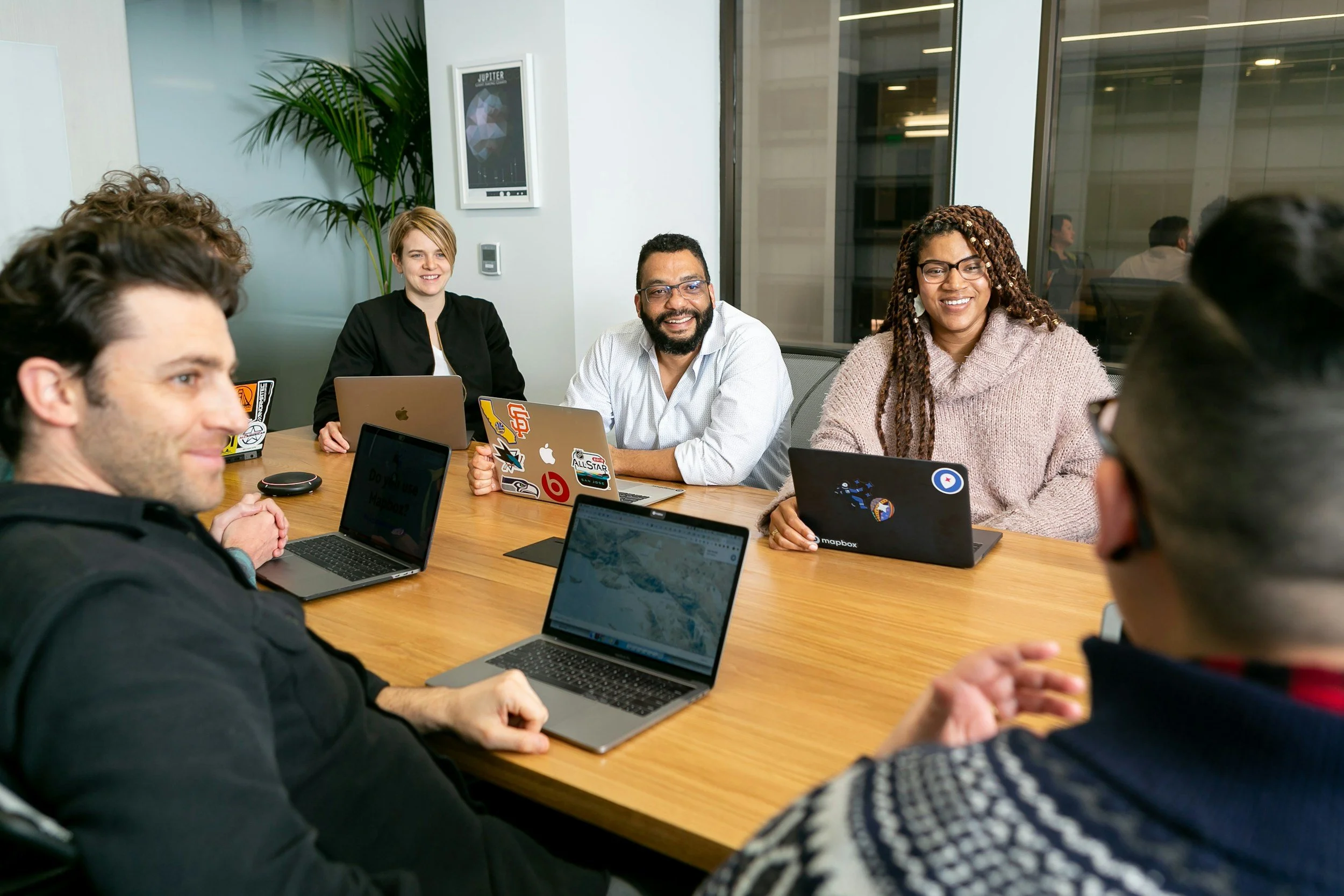
Group coaching is often a part of Contract Corporate Coaching. Group coaching offers a dynamic approach to talent development that complements traditional training methods. By harnessing the power of group dynamics and personalized coaching, it can address individual needs while fostering collective growth and accountability. This approach allows for more organic skill development, as participants learn not only from the coach but also from each other's experiences and perspectives. Plus, the collaborative nature of group coaching encourages peer support and accountability, which can accelerate behavior change and promote lasting results within organizations.
The flexibility of group coaching in terms of delivery methods, whether in-person or online, makes it accessible and cost-effective for organizations of all sizes. This versatility enables swift deployment and facilitates participation across diverse groups, including those separated by functional, geographic, or cultural boundaries. As a result, group coaching not only develops individual skills but also strengthens organizational networks, promoting collaboration and diversity of thought.
Moreover, the role of a skilled coach is pivotal in fostering an environment of trust and psychological safety within the group. These elements are crucial for encouraging open communication, constructive feedback, and inclusive behaviors. By creating a culture of belonging, group coaching contributes to a more engaged and empowered workforce, ultimately driving organizational success. -

Organizational Culture Coaching
Organizational culture coaching is a specialized form of coaching that focuses on helping organizations assess, shape, and transform their culture to align with their values, goals, and desired outcomes. It involves working with leaders, teams, and employees to create a culture that supports high performance, engagement, and positive organizational behavior.
The LIV coach acts as a guide and facilitator, assisting the organization in understanding its existing culture, identifying areas for improvement, and implementing strategies to foster a desired culture. The coaching process typically involves the following steps:
1. Culture Assessment: The coach helps the organization assess its current culture through surveys, interviews, focus groups, or other data collection methods. This assessment helps in identifying strengths, weaknesses, and areas for improvement.
2. Vision and Values Alignment: The coach collaborates with leaders to define or refine the organization's vision, mission, and values. They work to ensure that these foundational elements align with the desired culture and serve as a guiding framework for decision-making and behavior.
3. Gap Analysis: The coach assists in identifying the gaps between the current and desired culture. This involves analyzing the assessment results, understanding the organization's goals, and pinpointing areas where cultural shifts are needed.
4. Culture Development Plan: Based on the assessment and gap analysis, the coach helps develop a comprehensive plan to address the identified gaps. This plan includes specific strategies, initiatives, and interventions aimed at shaping the culture.
5. Leadership Development: The coach works with leaders to enhance their understanding of culture and their role in driving cultural change. They provide coaching and support to leaders in developing the skills and behaviors necessary to foster the desired culture.
6. Employee Engagement: The coach helps design and implement initiatives to engage employees and align their behaviors with the desired culture. This can involve creating communication channels, recognition programs, training workshops, and other activities that promote engagement and cultural alignment.
7. Monitoring and Feedback: Throughout the coaching process, the coach continuously monitors progress and provides feedback to the organization. They assess the effectiveness of the strategies and interventions and make adjustments as needed.
Organizational culture coaching aims to create a culture that promotes collaboration, innovation, adaptability, diversity and inclusion, accountability, and employee well-being. It recognizes that culture is a powerful force that influences behavior, decision-making, and overall organizational performance.
By engaging in organizational culture coaching, organizations can create an environment where employees feel motivated, valued, and empowered, resulting in improved performance, higher retention rates, and increased employee satisfaction. -

Facilitation and Retreats
Education and retreats go a long way to help your organization understand important concepts and development vital to the functioning and culture of your company.
Select from established seminars and retreats or LIV can create one(s) specific to your needs and requirements.
Established Seminars and Retreats
Succeed with Emotional Intelligence (EQ) and Behavioral Agility
This seminar is a deep dive into what emotional intelligence is and what is meant by behavioral agility. These are buzz words today, however, may not be fully understood. What specifically does this look like for me? If I understand it more, how will it help me succeed? These questions are answered in this seminar, and you gain clarity into your EQ strengths, behavioral agility, and potential growth areas.
This seminar discusses natural mechanisms that interfere with optimum leadership behavior - behaviors that can take you down the path of lesser success and consequences. We show and discuss with you the path to greater success and improved results.
Five Behaviors of a Cohesive Team or Personal Development
Powered by Everything DiSC®, the assessment and retreat helps participants understand how to bring together individual personalities and preferences to build cohesive, high-performing teams.
The retreat facilitation breaths life into the assessment through informative videos, group activities and customized sessions that dive deep. The results are valuable learning and team development insights and powerful everyday practices.
What’s a leader’s presence really about? A leader’s presence is about the person. You may have position power based on your title. However, it’s your personal power, what is within you, that creates the leader and your presence.
This presentation or workshop focuses on helping leaders understand and create their personal power.
Certifications


Licensed Clinical Social Worker


Licensed Clinical Social Worker


